Florida is hard on fences. Sun, humidity, termites, sandy soil, and summer storms all shorten a fence's life if it's built or maintained poorly. Built right, most fences last a long time. Here's the real lifespan you can expect — and what moves the number up.
Wood: 10–15 Years With Care
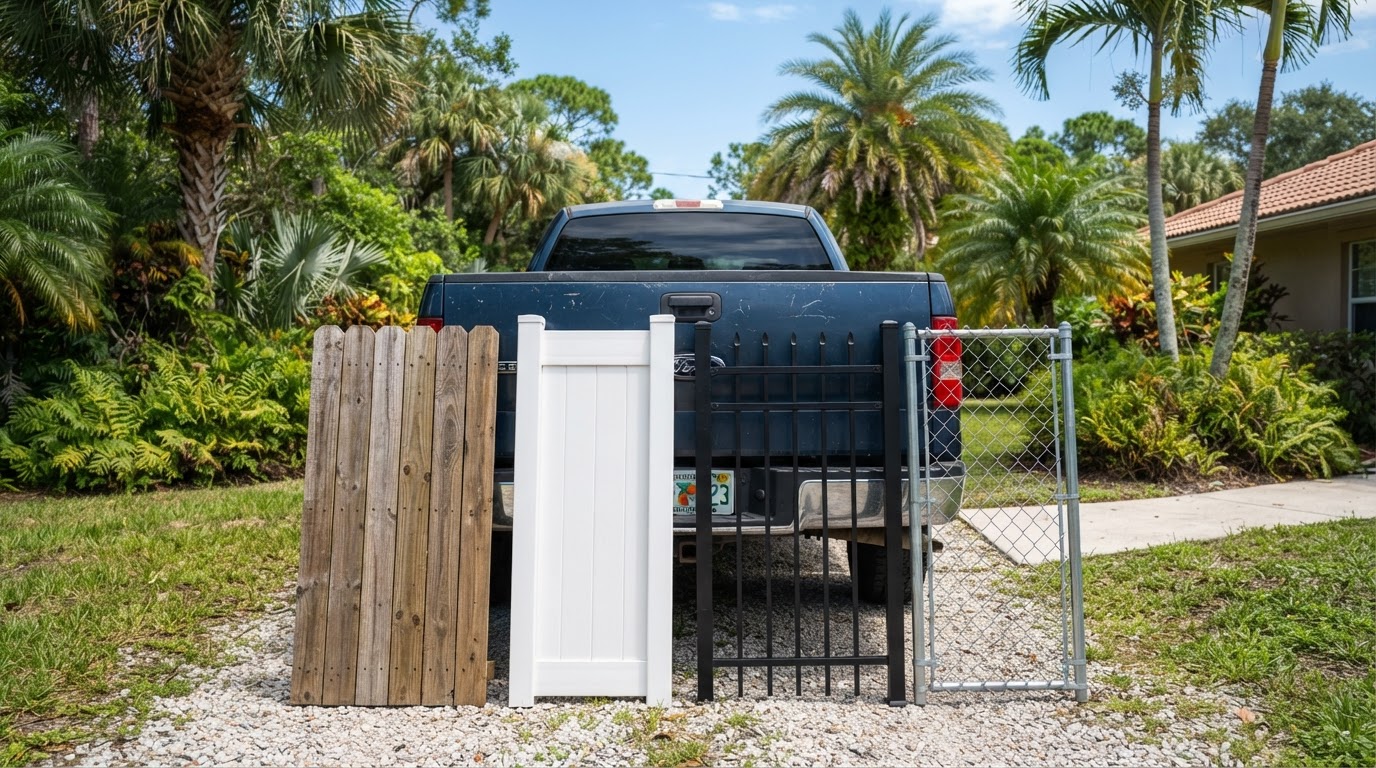
Pressure-treated pine rated for ground contact is the standard, and with sealing every couple of years and decent drainage at the base, many last 10 to 15 years. Without upkeep, rot starts at the posts within five to seven years.
Vinyl: 20+ Years, Near-Zero Upkeep
Quality vinyl doesn't rot or feed termites and holds its color for years. The weak point is the install — posts have to be set for wind. Done right, vinyl easily outlasts wood.
Aluminum: 20+ Years, No Rust
Aluminum doesn't rust, and powder-coated finishes hold up to years of sun and salt air with almost no upkeep. It's one of the longest-lived options around a pool or front yard.
Chain Link: 20+ Years
Galvanized chain link commonly lasts 20 years or more and lets wind pass through, which helps it ride out storms. Vinyl-coated adds another layer of protection.
What Actually Shortens a Fence's Life
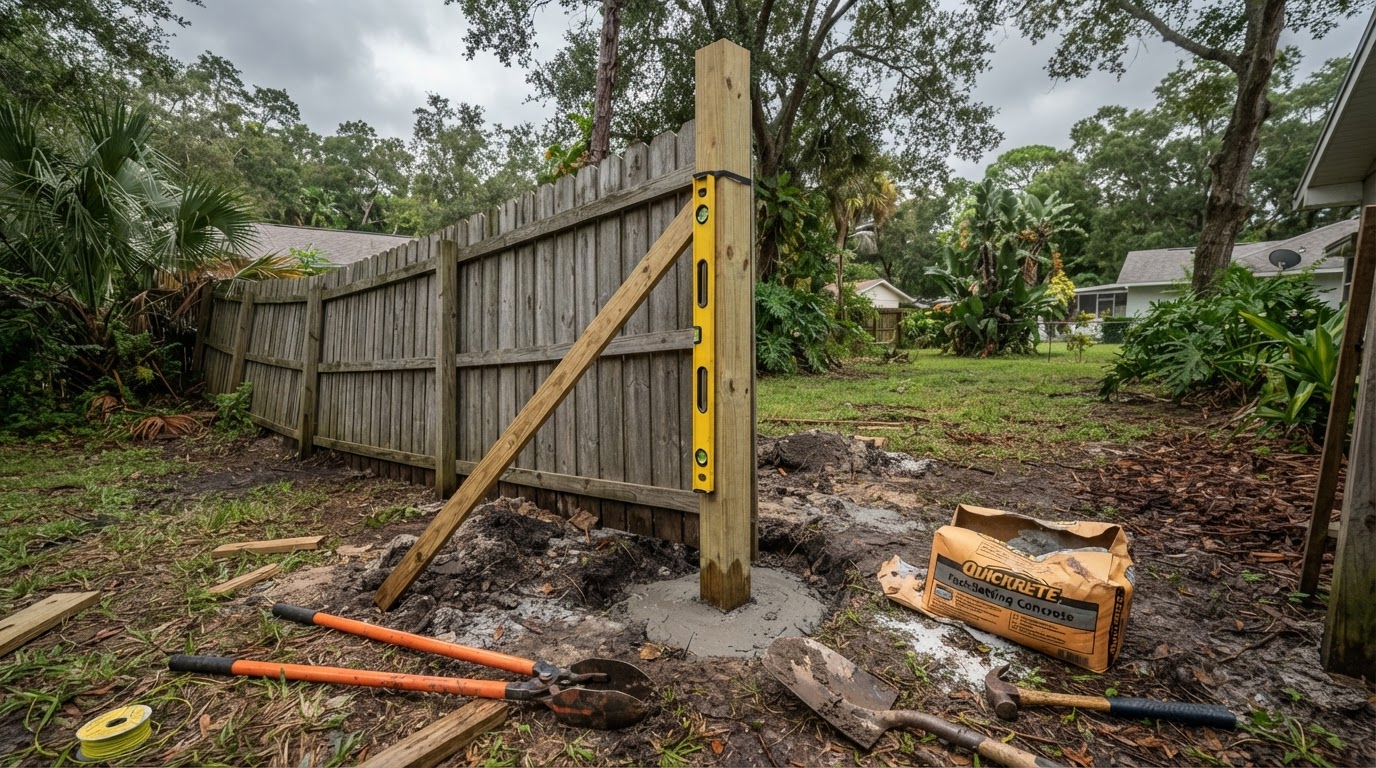
Most early failures start at the base. Shallow posts, posts not set in concrete, rot, termites, and poor drainage all cut years off a fence. Fixing the cause — not just the symptom — is what keeps a fence standing.
- Shallow posts or posts not set in concrete
- Rot and termites at ground level
- Vines and debris trapping moisture against the fence
- Undersized gate posts that loosen and sag
Services From This Post
Want a straight written quote? Jeff walks the line, measures, and gives you honest options.